Health and Safety Policy for Landscaping Balham
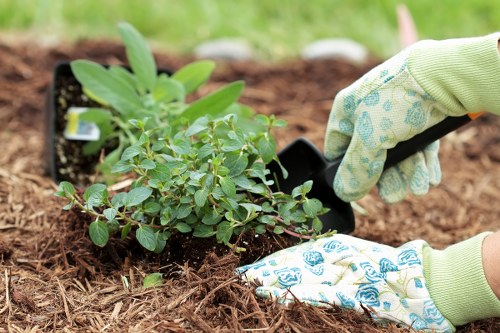 Landscaping Balham requires a clear, practical health and safety policy to protect employees, contractors, clients, and anyone nearby while outdoor work is carried out. This policy sets out the principles that support safe working practices across garden maintenance, planting, turf work, pruning, soft landscaping, and related site activities. It is designed to reduce risk, encourage responsible behaviour, and ensure that hazards are identified and controlled before work begins.
The company is committed to creating a safe working environment through planning, communication, and consistent supervision. Every landscaping project must be assessed for potential dangers, including manual handling issues, slips, trips, falls, sharp tools, moving machinery, weather exposure, and contact with hazardous substances. Health and safety is not treated as a separate task; it is built into everyday operations from the first site visit to the final clearance.
All workers involved in Balham landscaping services are expected to follow safe systems of work and act responsibly at all times. This includes wearing suitable personal protective equipment, using equipment only when trained to do so, and reporting unsafe conditions immediately. Risk reduction is achieved through preparation, attention, and teamwork, with supervisors ensuring that work is carried out in a controlled and orderly way.
Risk assessments must be completed before work starts and updated when site conditions change. A landscaping risk assessment should consider ground instability, underground services, access restrictions, overhead hazards, public interaction, and the condition of tools and machinery. Where necessary, work areas should be marked off, and pedestrians should be kept away from active operations. Clear separation between work zones and public spaces helps to maintain safe conditions.
Landscaping safety also depends on proper training and competence. Employees must understand how to handle hedge trimmers, mowers, strimmers, saws, and other equipment safely. They should know how to inspect tools before use, recognise defects, and remove faulty items from service. Training should also cover emergency procedures, fire awareness, and the safe use of chemicals such as fertilisers, weed treatments, or cleaning products used during site maintenance.
 Manual handling is a common source of injury in landscape work. Moving soil, paving materials, plants, timber, and waste can place strain on the back, shoulders, and limbs. To reduce this risk, workers should use lifting aids where possible, break down heavy loads, and lift with care. Team lifts are encouraged for awkward or bulky items, and tasks should be planned so that unnecessary carrying is avoided. Good posture, steady movement, and sensible load management are essential.
Weather conditions can affect both safety and productivity. Strong sunlight, rain, ice, wind, or cold temperatures may create hazards for workers using tools or operating on uneven ground. Suitable clothing, hydration, sun protection, and regular breaks should be used to manage environmental risks. During wet or icy conditions, surfaces may become slippery, so extra caution is needed around paths, steps, and freshly worked areas.
 Machinery and hand tools must be maintained in good working order. Regular inspections help identify wear, damage, or missing guards before an incident occurs. Equipment should be cleaned, stored securely, and used only for its intended purpose. Safe landscaping operations also depend on keeping blades sharp, cords untangled, fuel stored correctly, and batteries handled according to manufacturer instructions. Only authorised personnel should carry out repairs or adjustments.
Another important part of this policy is protecting the public and other site users. Landscaping projects often take place in shared or occupied spaces, so clear communication is necessary to manage movement and prevent misunderstandings. Warning signs, barriers, and tidy work areas help reduce exposure to hazards. Safe landscaping practice includes leaving access routes free from obstruction and removing waste, loose materials, and tools at the end of each task.
Emergency readiness is essential. First aid supplies should be available, and workers must know how to respond to cuts, strains, eye injuries, or contact with harmful substances. If an incident occurs, work should stop where necessary, the area should be made safe, and the event should be reported and recorded according to procedure. Lessons from incidents and near misses should be reviewed so that improvements can be made.
Environmental responsibility also supports safety. Materials should be stored and disposed of properly, and fuel, oils, or chemicals must be handled to prevent spills and contamination. Dust, noise, and debris should be controlled where practical to limit disruption and discomfort. By keeping the site organised and using responsible working methods, Balham landscape maintenance can be delivered safely and efficiently.
 This policy is reviewed regularly to ensure it remains effective, practical, and aligned with the nature of current work. Supervisors are responsible for monitoring compliance, while all workers share responsibility for safe behaviour. A strong safety culture depends on awareness, cooperation, and respect for procedures. When everyone contributes, landscaping activities can be completed with reduced risk and greater confidence.
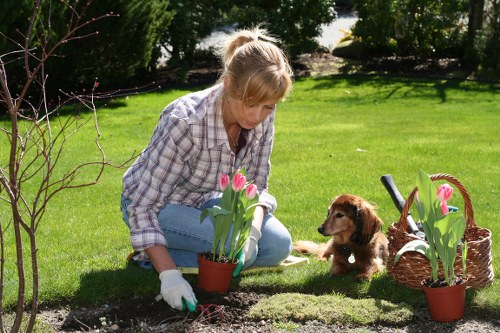 In summary, this health and safety policy supports safe, professional, and well-managed landscaping work. It promotes risk assessment, training, maintenance, protective equipment, and careful supervision across all operations. Whether carrying out routine garden care or larger landscape tasks, the same principles apply: plan carefully, work safely, and maintain a constant focus on preventing harm.